How to Choose Aviation Tin Snips in Dubai | Kseibi UAE Website
UAE Guide
How to choose the right aviation tin snips supplier in Dubai for straight, left, or right cuts
Kseibi· Aug 20, 2026· 7 min read
Choose your aviation tin snips by cut direction first: straight for general work, left or right for regular curves, and a 3-piece set for mixed jobs. In Dubai, grip comfort, locking storage, durable Chrome Vanadium construction, and actual local stock are the factors that make the tool easier to live with on site.
If you only want one answer first: buy straight-cut aviation tin snips when most of your work is general trimming and direct cuts, buy left-cut or right-cut snips when you regularly follow curves in that direction, and buy a 3-piece set when your jobs change often and you do not want the tool itself to limit the cut. For Dubai buyers, the better choice is usually the one that matches your actual cutting direction and feels comfortable enough for repeated use in hot, dusty site conditions.
1. What kind of cuts are you actually making?
This is the decision that matters most. Aviation tin snips are not mainly separated by size here, because the listed KSEIBI options are all 10-inch tools. The real difference is the direction they are designed to follow and how that affects control while cutting sheet metal.
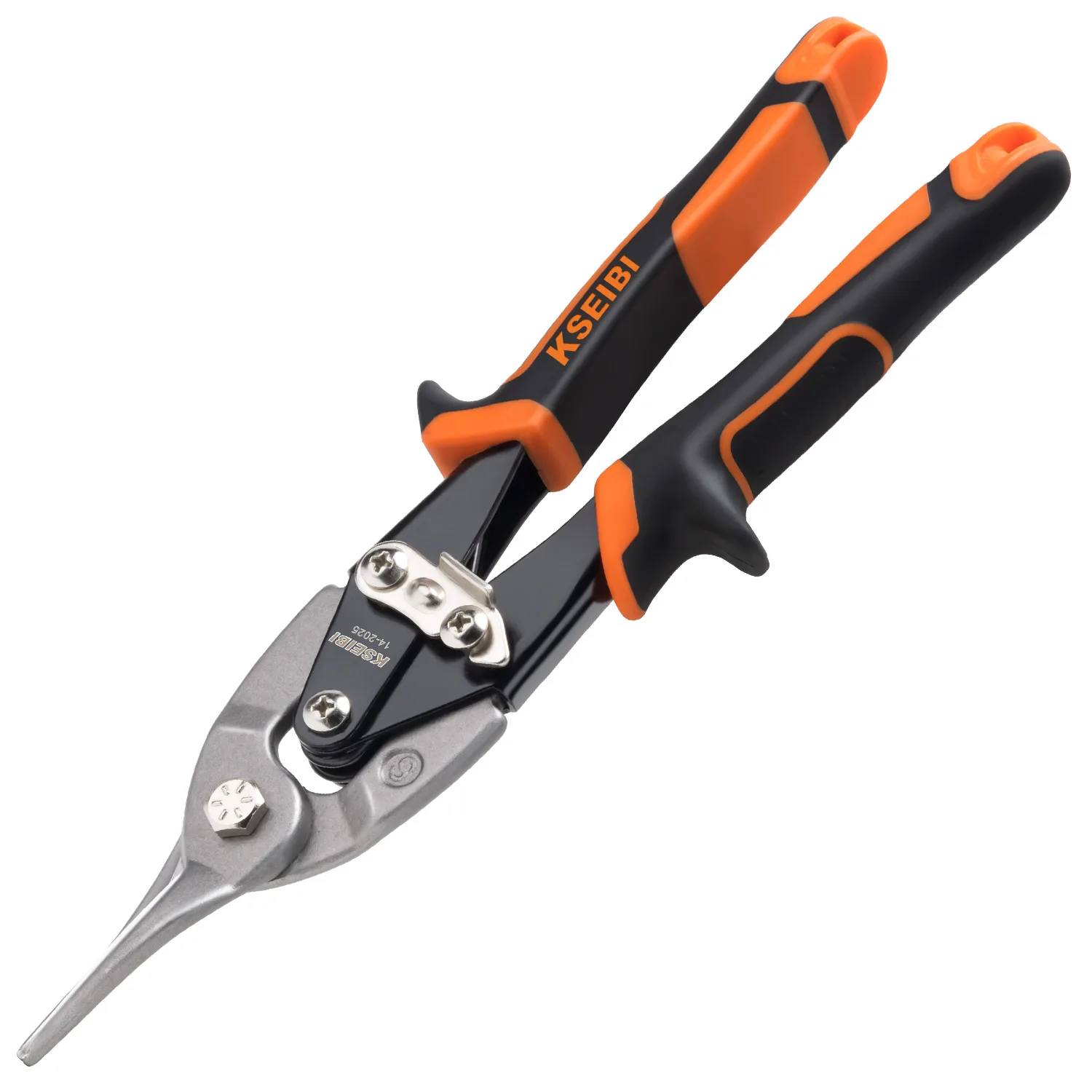
Choose straight-cut snips if your work is mostly straight lines, light shaping, edge trimming, and general-purpose cuts where you want one compact tool first.
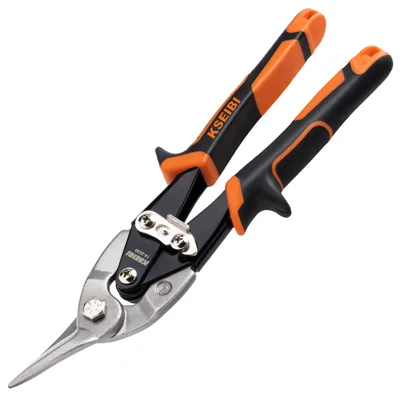
Choose left-cut snips if you regularly need the cut path to move left. This is the better fit when your material layout or your working position makes leftward curves the natural direction.
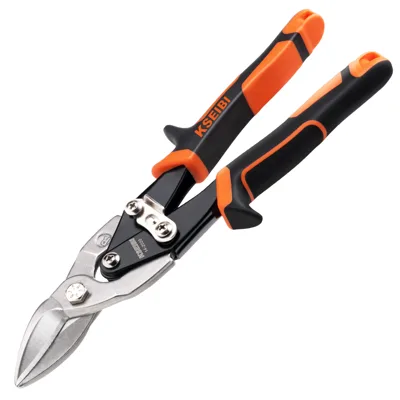
Choose right-cut snips if your cuts usually sweep right, especially when following rightward curves is the cleanest way to stay on your marked line.
Choose a 3-piece set if you do mixed work and do not want to compromise. This matters for HVAC-style sheet-metal work, general fabrication, ducting adjustments, and maintenance jobs where the direction changes from cut to cut.
A common buying mistake is treating cut direction as a minor detail. In practice, matching the snip to the direction of the cut reduces awkward wrist angles and makes it easier to keep the blades tracking where you want them. If you are asking 'which tin snips do I need for sheet metal?', start with the shape of the cut, not the brand name or the packaging.
2. What the key specs mean: cut direction, blade material, grip, and locking latch
The listed specifications are simple, but they still tell you a lot about whether a snip suits occasional repairs or repeated use.
Cut direction
This is the most decisive spec. Straight, left, and right are not marketing labels; they tell you how naturally the tool will follow the cut path. If you often fight the tool to stay on line, you probably have the wrong cut direction for the job.
Chrome Vanadium blade material
These KSEIBI snips are listed with Chrome Vanadium material and CrV blades. For a buyer, that is useful because it points to a hand tool built for regular metal-cutting duty rather than feeling disposable. It does not tell you every performance detail, but it does indicate a more serious tool material when durability and consistent cutting matter over time.
Grip and handle comfort
Handle comfort matters more than many buyers expect. Repeated sheet-metal cutting quickly becomes tiring, and in UAE heat your hands can get sweaty or dusty. The left-cut model specifically lists a bi-material textured grip, which is a practical feature when control matters during longer cutting sessions. The other single snips list black-and-orange handles; while the specification is less detailed, the key buying point remains the same: if you expect repeated cuts, prioritise a handle you can hold securely without over-gripping.
Locking latch
A locking latch is not just a storage extra. It keeps the blades closed when the tool is in a bag, drawer, van, or site box, which improves handling safety and helps the tool stay compact between tasks. The straight-cut snip lists a locking latch, and the 3-piece set lists a locking mechanism. If your tools travel often between jobs, this is a genuinely useful feature.
3. Which snip type fits which job: straight, left, right, or set
Option
Best for
Main advantage
Possible limitation
Who should buy it
Straight-cut snips
General cutting, trimming, direct cuts
Most versatile single-tool starting point
Less ideal when curves in one direction are your daily work
Buyers who want one tool first
Left-cut snips
Curves and cut paths moving left
Better control on leftward cuts
Not the best match if your cuts usually sweep right
Users who already know their common cut direction
Right-cut snips
Curves and cut paths moving right
Better control on rightward cuts
Less efficient if your layout pushes you into leftward curves
Sheet-metal users with repeated right-side curves
3-piece set
Mixed tasks across straight, left, and right cuts
Covers all common cut directions without compromise
Less compact as a buying decision if you only need one snip occasionally
HVAC, maintenance, fabrication, and uncertain first-time buyers
For HVAC and ducting-style work, a left-cut or right-cut snip often makes more sense than a straight snip because the cut direction can change around fittings, openings, and shaped sections. For occasional site adjustments or home workshop use, straight aviation tin snips are usually the simplest first purchase because they cover the broadest range of basic tasks.
4. Single tool or 3-piece set: how to decide for your workflow
The right answer depends on frequency and variation of work, not just budget. If you only cut sheet metal now and then and your cuts are mostly direct, one straight-cut snip is easier to store, easier to grab, and enough for many general jobs. It is the low-complexity choice.
A 3-piece aviation snips set becomes the better decision when your workflow is unpredictable. That includes maintenance teams, installers, fabricators, and buyers who know they will encounter both left and right curves. In those cases, a set avoids workarounds, awkward tool angles, and the frustration of realising on site that you brought the wrong snip.
The KSEIBI 3-piece set is currently listed out of stock, so availability may decide the purchase in the short term. If you need a tool now, choose the single snip that matches your most frequent cut direction rather than waiting without a plan.
5. Dubai and UAE buying factors: heat, dust, comfort, and local stock
In UAE conditions, comfort and tool handling matter more than they do in a quick showroom comparison. Hot weather and dusty jobsites make secure grip surfaces valuable because control drops quickly when your hands are warm, dusty, or moving between tasks. That is why grip texture and a latch that keeps the tool neatly closed both matter in real use.
For repeated duty cycles, give extra weight to blade material and handle comfort. Chrome Vanadium and a more secure grip are useful signs when you expect regular use rather than one-off repairs.
For dusty site storage, a locking latch is worth having because it keeps the tool compact in a box or bag and reduces the chance of catching exposed blades on other equipment.
For buyers in Dubai who need a tool immediately, local stock matters. The best snip on paper is not the best option if it is unavailable when the job is live.
If you are building a practical site kit, a compact single snip is easier to carry, but a set reduces the risk of being caught with the wrong cut direction on mixed sheet-metal tasks.
Because these are hand tools, there are no voltage or plug issues to consider. The more relevant UAE factor is whether the snip stays comfortable and controllable through repeated cuts in a hot working environment.
6. Clear recommendation: which KSEIBI option to choose based on your use case
Buy the straight-cut model if you only want one tool first and your work is mostly general sheet-metal cutting.
Buy the left-cut model if your cuts regularly move left and you want the added benefit of the listed bi-material textured grip.
Buy the right-cut model if rightward curves are the pattern you deal with most often.
Buy the 3-piece set if your jobs vary and you want full flexibility across straight, left, and right cuts without compromise.
If you are still unsure which KSEIBI snip should you buy if you only want one tool first, the safest starting point is the straight-cut option. It is the broadest fit for general use, and its listed locking latch adds practical value for storage and transport.
If the set returns to stock, it becomes the strongest choice for mixed workflows, especially for buyers who do not want to second-guess cut direction from one task to the next.
Do I need straight-cut, left-cut, or right-cut aviation tin snips?
Choose the type that matches your usual cutting path. Straight-cut suits general work, while left-cut and right-cut are better when you regularly follow curves in those directions.
When is a 3-piece set better than buying one snip type?
A set is the better choice when your jobs vary and you expect to switch between straight, left, and right cuts. It is especially useful when you do not want to be limited by one cutting direction.
What does Chrome Vanadium blade material tell me about durability?
For these KSEIBI snips, Chrome Vanadium indicates a more serious hand-tool material for regular cutting tasks. It is a useful sign if you want a tool that feels built for repeated use rather than occasional light duty.
Why does handle grip matter on repeated cuts?
Repeated sheet-metal cutting can become tiring quickly, so grip comfort affects both control and hand strain. In Dubai heat and dust, a more secure handle can make the snips easier to manage through longer sessions.
Is a locking latch important for storage and jobsite safety?
Yes, because it keeps the blades closed in a toolbox, bag, or work vehicle. That makes the tool safer to handle between tasks and easier to store compactly.
Which KSEIBI snip should I buy if I only want one tool first?
Start with the straight-cut option if your work is mostly general-purpose and you are not yet sure of your long-term needs. It is the most practical single-tool entry point among the listed options.